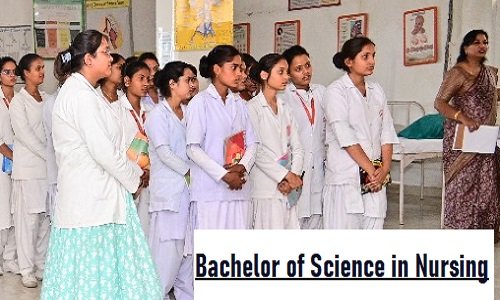
B.Sc. Nursing
B.Sc. Nursing is a 4-year undergraduate course that trains students in nursing care, medical procedures, and hospital practice. It prepares students to become professional registered nurses capable of working in hospitals, clinics, and community health centers. The course includes theory, practical training, and a one-year internship to develop strong clinical skills. short and formal
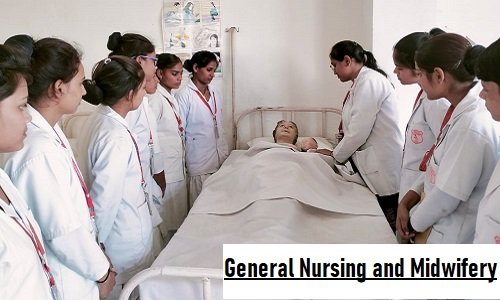
GNM
GNM (General Nursing and Midwifery) is a 3-year diploma course (with a 6-month internship) that trains students in nursing and midwifery. The program provides knowledge and practical skills in patient care, community health, and maternal-child health. Graduates are eligible for registration as a Registered Nurse and Midwife and can work in hospitals, clinics, and health centers, with opportunities for further specialization in nursing.
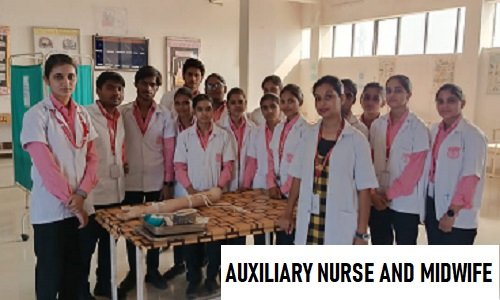
ANM
An Auxiliary Nurse & Midwife (ANM) is a village-level female health worker in India who serves as the first point of contact between the community and the health services system [1]. The primary role of an ANM encompasses a wide range of tasks, including providing maternal and child health services, conducting immunizations, and offering basic medical care and first aid during emergencies [1]. They are crucial in delivering prenatal and postnatal care to mothers, assisting in home deliveries, and educating families on nutrition and family planning methods [1]. Operating typically in sub-centers, ANMs also play a vital role in data collection, reporting health statistics, and implementing national health programs within their assigned rural areas [1]. The position, often referred to as Health Worker (Female), is foundational to India's public health infrastructure, bringing essential healthcare services directly to underserved populations [1].
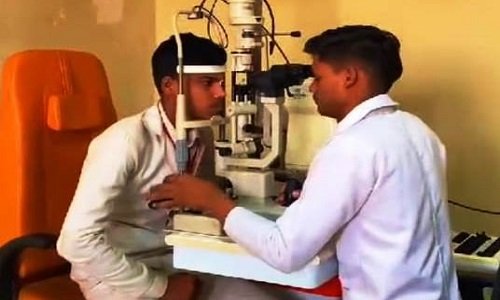
B.OPTOM
The Bachelor of Optometry (B.Optom) is a four-year professional undergraduate degree program that trains students to become autonomous primary eye care practitioners. The curriculum integrates theoretical knowledge in ocular anatomy, physiology, and optics with extensive hands-on clinical training, typically including a mandatory one-year internship. Graduates are equipped to conduct comprehensive eye examinations, diagnose vision problems, prescribe corrective lenses (glasses, contact lenses, low vision aids), and detect ocular diseases or systemic conditions that manifest in the eye, referring patients to ophthalmologists for surgical management when necessary. Career opportunities are diverse and include private practice, working in hospitals or optical retail chains, pursuing research, or specializing in areas like pediatric or geriatric optometry. The growing prevalence of vision disorders and increased awareness of eye health ensure a steady demand for qualified optometrists in the healthcare industry.
D.D.T
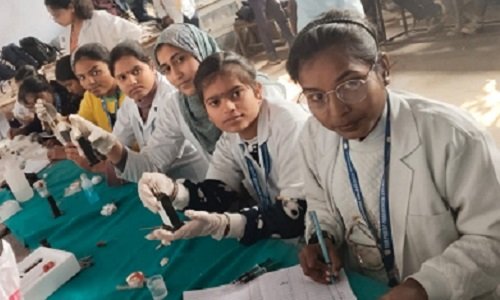
A Diploma in Dialysis Technician program trains students to operate dialysis machines and provide life-sustaining treatment to patients suffering from acute or chronic renal failure. This specialized, skill-based course typically lasts 1 to 2 years and covers essential topics like human anatomy, renal diseases, infection control, and patient care management. Graduates work under the supervision of doctors and nurses in hospitals and dialysis centers, playing a critical role in monitoring patients during treatment and maintaining equipment to ensure safe and effective procedures. The field offers strong job security and the personal satisfaction of making a significant difference in the lives of individuals managing long-term kidney conditions.
DOTT
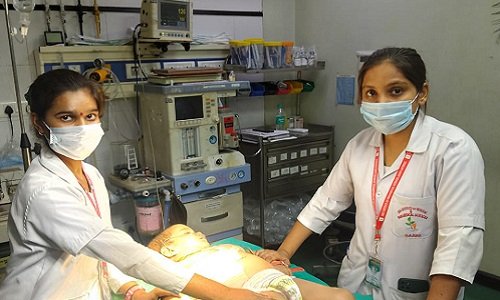
The Diploma in Operation Theatre (O.T.) Technician program is an allied health sciences course designed to train individuals to become integral members of a surgical team. Lasting one to two years, the curriculum covers essential subjects such as human anatomy, surgical procedures, infection control, and the handling of advanced medical equipment like ventilators and C-arm machines. Graduates are prepared for crucial roles in hospitals and surgical centers, where their primary duties include preparing and sterilizing the operating room, assisting surgeons and anesthetists during operations, and providing support for patient monitoring and post-operative care. This hands-on training ensures professionals can maintain a safe, sterile, and efficient surgical environment, directly contributing to positive patient outcomes.
D.OPTOM
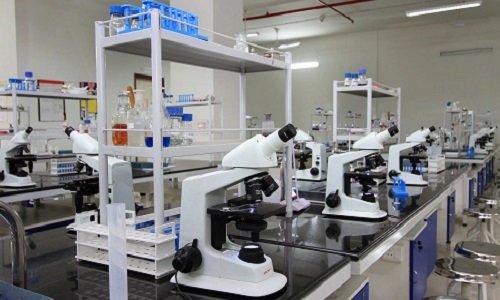
The Diploma in Optometry is a career-oriented program that trains individuals to become primary eye-care professionals capable of examining, diagnosing, and managing visual problems. This typically two-year course (often including an internship) provides students with in-depth knowledge of ocular anatomy, visual optics, and the use of diagnostic equipment to assess eye conditions and prescribe corrective lenses. Graduates can pursue diverse career paths in hospitals, private eye clinics, optical retail outlets, and multinational eyewear companies. The program offers job stability, competitive salaries, and the rewarding opportunity to enhance patients’ quality of life by safeguarding their vision.